


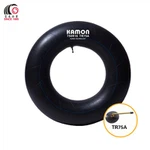
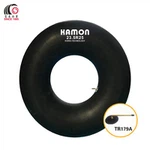
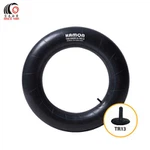
Motorcycle Tubes
HANGZHOU FUYANG FUCHUN TYRE CO.,LTD.: Your Professional Motorcycle Tubes Supplier!
The factory was founded in 1995 and specializes in the production of various types of engineering vehicle, automobile, motorcycle inner tubes and rubber pads. Since its launch on the market, its products have been exported to more than 100 countries including the Middle East, Africa, America, Europe, and Southeast Asia.
Wide Range of Products
Our main products include truck tubes, car tubes, OTR tubes, bicycle tubes, motorcycle tube, tire flap, snow tubing and repair patch. Our products are exported to more than 100 countries around the world and are favored by domestic and foreign customers.
Professional Team
The company currently has 500 employees, including 8 senior engineers and more than 100 senior professional and technical personnel. It is a large-scale enterprise integrating modern R&D, production, sales and service.
Complete Qualification
The company has passed ISO900A; 2015 certification and has a modern and scientific management system to provide customers with high-quality products and responsible services.
Leading Service
We have many years of industry experience and a complete production management, quality supervision and sales service operation system. If you want to buy our products, just send your needs by email and we can respond to you as soon as possible.
Brief Introduction to Motorcycle Tubes
Motorcycle tube is a circular elastic tube with a tire valve used to maintain the internal pressure of the tire, also known as the inner tube. It is an air-bearing container for inflation and vibration reduction, which is installed in the inner cavity of the motorcycle tire to assist in bearing air pressure.


Features of Motorcycle Tubes
Excellent Shock Absorption Performance
The inner tube is made of materials such as rubber, which has certain elasticity and compressibility. It can effectively absorb and buffer the vibration and impact from the road surface, providing the rider with a smoother and more comfortable riding experience. Especially on bumpy roads, motorcycle tubes can better maintain the stability of driving.
Easy To Repair And Replace
Compared with tubeless motorcycles, motorcycle tubes are more convenient when repairing and replacing tires. When the tire is damaged or severely worn, only the inner tube and outer tube need to be replaced, without replacing the entire wheel hub, which greatly reduces the difficulty and cost of repair. In addition, the separation design of the inner tube and outer tube also makes the replacement process simpler and faster.
Wide Applicability And Compatibility
Motorcycle tubes have a wider range of applicability and compatibility. Their tire sizes and specifications are more diverse, and can adapt to motorcycles of different brands and models. In addition, motorcycles with inner tubes generate relatively less noise during driving and have less impact on the environment.
Strong Load-Bearing Capacity
Since the inner tube is used in conjunction with the wire spoke wheel rim, this structure enables the motorcycle to carry a heavier load. The wire spoke wheel rim has a good vibration absorption effect, and the elasticity of the inner tube can also disperse and relieve the pressure caused by the load to a certain extent.
Natural Rubber
Natural rubber is one of the traditional materials for motorcycle tubes. It has good elasticity and wear resistance, and can provide good sealing and shock absorption effects. However, the cost of natural rubber is relatively high, and it is easy to age under certain extreme conditions (such as high temperature and high humidity).
Butyl Rubber
Butyl rubber is another common material for motorcycle inner tubes. It is polymerized by isobutylene and a small amount of isoprene, and has excellent air tightness, aging resistance, heat resistance and chemical corrosion resistance. Butyl rubber inner tubes can reduce air leakage problems, improve riding safety, and have a long service life. Due to these advantages, butyl rubber inner tubes are widely used in high-pressure tires (such as cars, motorcycles, and some high-performance bicycles).


How To Choose Motorcycle Tubes?
Material Performance
The material of the inner tube directly affects its durability, air tightness and aging resistance. Common materials include natural rubber, butyl rubber and its recycled rubber. Butyl rubber inner tubes are highly praised for their excellent air tightness and aging resistance, but the cost is relatively high. Natural rubber inner tubes have good elasticity and wear resistance.
Air Tightness
Air tightness is one of the key properties of inner tubes. High-quality inner tubes should have good air tightness to reduce air leakage and improve riding safety.
Durability
The wear resistance of the inner tube determines its service life. Choosing an inner tube with good wear resistance can reduce the frequency of replacement and reduce the cost of use.
Anti-aging
The inner tube is prone to aging when exposed to sunlight, rain and high temperature for a long time. Choosing an inner tube with good aging resistance can extend its service life.
Safety
Choosing an inner tube with explosion-proof performance can reduce the risk of accidents caused by tire blowouts. Although it is impossible to completely avoid tire blowouts, high-quality inner tubes can improve safety to a certain extent.
How To Maintain Motorcycle Tubes?
Check Tire Pressure Regularly
Tire pressure is one of the keys to inner tube maintenance. Too low or too high tire pressure will affect the safety and performance of motorcycle driving. You can use a tire pressure gauge to check the tire pressure of the inner tube regularly. Tire pressure should be kept within the appropriate range to improve the handling of the motorcycle and reduce tread wear. Check tire pressure before every ride to ensure safe driving.
Clean The Inner Tube Regularly
Inner tubes often have dust, mud and other dirt attached to them, which not only affects the performance of the inner tube, but may also cause holes and ruptures. You can gently wash the inner tube with clean water and soapy water to remove dirt. After washing, wipe the inner tube with a clean cloth and make sure it is completely dry to avoid water accumulation and corrosion.
Check Wear And Tear
The degree of wear of the inner tube will directly affect the performance and safety of the vehicle. You can regularly touch the tread with your hands to check if there are obvious unevenness or wear and tear. Check the surface of the inner tube for signs of cracks or damage. If severe wear or damage is found, the inner tube should be replaced in time to ensure the safety of riding.
Use Environment
Avoid using the motorcycle for a long time in harsh environments, such as extremely high or low temperatures, humid or dusty environments, which may accelerate the aging and wear of the inner tube.
Deal With Air Leakage In Time
Air leakage is one of the common problems of inner tubes, which may lead to insufficient tire pressure and riding safety hazards. Once a leak is found, the inner tube should be repaired or replaced immediately with a tire repair tool. When repairing, the old glue layer around the leak point should be thoroughly removed, new glue should be applied and the tire repair sheet should be pasted to ensure that the tire is firmly repaired.
Correct Installation And Removal
When installing a new inner tube, make sure it matches the outer tube and rim well, and install the valve and valve core correctly. When removing the inner tube, special tools should be used to avoid damaging the inner tube and rim.
Application Of Motorcycle Tubes

Motorcycle
The motorcycle tube is one of the core components of the motorcycle tire system. Together with the rim and the outer tire, it constitutes the tire assembly, providing the necessary support and shock absorption functions for the motorcycle.

Specific Types Of Vehicles
In some specific types of motorcycles or vehicles, such as some off-road vehicles, old motorcycles or motorcycles for specific purposes (such as cargo motorcycles), tire systems with inner tubes may still be used due to vehicle performance requirements or cost considerations.
Frequently Asked Questions
Q: What materials are motorcycle tubes made of?
Q: What is a motorcycle tube?
Q: What should be the tire pressure of a motorcycle tube?
Q: Why does a motorcycle tube leak?
Q: How to check if a motorcycle tube is leaking?
Q: How to repair a motorcycle tube?
Q: How long is the service life of a motorcycle tube?
Q: What are the advantages of motorcycle tubes?
Easy to repair and replace: Compared with tubeless motorcycle tires (tubeless tires), motorcycles with tubes are more convenient to repair and replace tires. When a tire is damaged or severely worn, only the inner tube and outer tire need to be replaced instead of the entire wheel hub, which greatly reduces the difficulty and cost of repair.
Wider applicability and compatibility: Inner tubed motorcycle tire sizes and specifications are relatively diverse and can be adapted to different brands and models of motorcycles. In addition, inner tube tires produce relatively little noise during driving and have less impact on the environment.
Less likely to leak when the air pressure is low: Since the air is stored in the inner tube and does not require precise contact, the inner tube is relatively less likely to leak when the air pressure is low, providing better safety performance.
Q: What are the precautions for cleaning and maintaining motorcycle tubes?
Q: What are the effects of too high or too low tire pressure in a motorcycle tube?
Q: What is the role of the tire pad of the motorcycle tube?
Q: How to judge the degree of wear of the motorcycle tube?
Q: What are the precautions for the cooperation of the motorcycle tube and the rim?
Q: What impact does the maintenance of the motorcycle tube have on the riding experience?
Q: How to avoid frequent air leakage of motorcycle tubes?
Q: What are the characteristics of motorcycle tubes?
Wear resistance: During the driving process of the motorcycle, the tire will constantly rub against the ground, so the inner tube material should have high wear resistance to extend the service life of the inner tube.
Tear resistance: Under complex or harsh road conditions, the tire may be punctured or torn by sharp objects, so the inner tube material should have a certain tear resistance to protect the inner tube from damage.
Pressure resistance: Motorcycle tubes need to bear the weight of the vehicle and passengers and various dynamic loads during driving, so the inner tube material should have high pressure resistance to ensure that the inner tube will not break under high pressure.
Elasticity: Good elasticity helps the inner tube to quickly return to its original state when impacted, improving the ride comfort and driving stability of the vehicle.
Corrosion resistance: It can resist the erosion of chemicals such as oil and water, and maintain the integrity and performance of the inner tube.
Q: How to store motorcycle tubes?
Avoid light and heat: It should be kept away from direct sunlight and heat sources to prevent the inner tube from aging faster. At the same time, avoid contact with equipment or substances that can produce ozone.
Temperature control: The ideal storage temperature should be controlled between -10°C and +30°C to slow down the aging of rubber materials.
Humidity control: The relative humidity should be maintained between 50% and 80% to prevent the inner tube from cracking due to excessive drying or mold due to high humidity.
Storage method: If possible, the inner tube should be placed vertically on the shelf to reduce the risk of deformation and creases. If it must be stacked for storage, ensure that the stacking height is moderate and check regularly to prevent the bottom inner tube from being compressed and deformed.
Regular inspection and turning: Inner tubes stored for a long time should be turned over or their fulcrums should be turned regularly to prevent deformation caused by long-term fixed placement. Regularly check whether the inner tube has air leakage, and repair or replace the damaged inner tube in time.
Keep away from harmful substances: Store the inner tube away from chemicals such as oil, acid, alkali, etc. to prevent corrosion and damage.
Q: What are the disadvantages of motorcycle tubes?
May increase vehicle weight: Compared with vacuum tires, inner tube tires may increase the curb weight of the vehicle due to the additional inner tube structure, thereby affecting fuel economy and handling. However, this effect is relatively small and varies on different brands and models of motorcycles.
Affected by temperature: Inner tubes made of rubber materials may expand or contract in high or low temperature environments, which may affect the performance and life of the tire. Therefore, it is necessary to pay attention to maintaining the appropriate temperature and air pressure of the tire during use.