


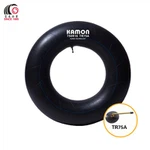
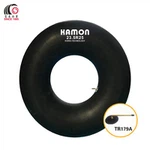
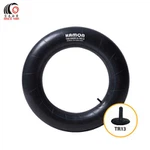
Bicycle Tubes
HANGZHOU FUYANG FUCHUN TYRE CO.,LTD.: Your Professional Bicycle Tubes Supplier!
The factory was founded in 1995 and specializes in the production of various types of engineering vehicle, automobile, motorcycle inner tubes and rubber pads. Since its launch on the market, its products have been exported to more than 100 countries including the Middle East, Africa, America, Europe, and Southeast Asia.
Wide Range of Products
Our main products include truck tubes, car tubes, OTR tubes, bicycle tubes, motorcycle tube, tire flap, snow tubing and repair patch. Our products are exported to more than 100 countries around the world and are favored by domestic and foreign customers.
Professional Team
The company currently has 500 employees, including 8 senior engineers and more than 100 senior professional and technical personnel. It is a large-scale enterprise integrating modern R&D, production, sales and service.
Complete Qualification
The company has passed ISO900A; 2015 certification and has a modern and scientific management system to provide customers with high-quality products and responsible services.
Leading Service
We have many years of industry experience and a complete production management, quality supervision and sales service operation system. If you want to buy our products, just send your needs by email and we can respond to you as soon as possible.
Brief Introduction to Bicycle Tubes
Bicycle tubes usually refer to bicycle inner tubes. Bicycle inner tubes are an important part of bicycle tires. They are located inside the outer tire and play a key role in maintaining tire pressure and shape. When the bicycle is running, the inner tube can support the outer tire after being inflated, so that it can be close to the wheel rim, thereby ensuring that the bicycle can run smoothly and safely.


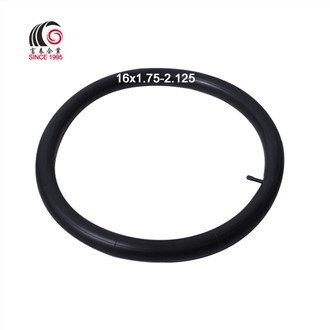


Features of Bicycle Tubes
Airtightness
Bicycle tubes usually have good airtightness, which means they can effectively maintain the air pressure in the tire and reduce the problem of air leakage, thereby improving the safety and comfort of riding.
Durability
The durability of bicycle tubes is also one of its important advantages. High-quality bicycle tube materials (such as synthetic rubber or natural rubber) have good wear resistance and aging resistance, and can maintain stable performance in long-term use, reduce the frequency of replacement, and thus reduce the cost of use.
Safety
The existence of bicycle tubes ensures the stability and safety of bicycle tires during riding. Once the outer tire is punctured or scratched by a sharp object, the elasticity of bicycle tubes can prevent the tire from losing air pressure immediately, thus providing the rider with enough time to take countermeasures and avoid accidents.
Flexibility
The design of bicycle tubes allows them to adapt to different sizes and types of bicycle tires. Whether it is a mountain bike, a road bike or a children's bike, there are corresponding bicycle tubes to choose from to meet different riding needs.
Materials of Bicycle Tubes
Natural Rubber
Natural rubber has good elasticity and sealing properties, which can ensure that bicycle tubes maintain a stable air pressure after inflation and provide a certain shock absorption effect. Compared with synthetic rubber, natural rubber may be slightly more expensive and is susceptible to environmental influences (such as temperature and humidity) and aging.
Synthetic Rubber
Synthetic rubber includes butyl rubber, styrene-butadiene rubber, etc. It has excellent wear resistance, aging resistance and air tightness, and can maintain stable performance under various riding conditions. In addition, the cost of synthetic rubber is relatively low and it is easy to process and produce. Some synthetic rubber materials may not be as good as natural rubber in terms of elasticity.
TPU (Thermoplastic Polyurethane)
TPU materials have been used in the field of bicycle tubes in recent years. TPU materials are lightweight, high-strength and good wear resistance, while providing good air tightness. In addition, TPU materials also have a certain elasticity and can adapt to changes in air pressure under different riding conditions. Compared with traditional rubber materials, TPU materials may be more expensive and may not be as stable as traditional rubber materials under certain extreme riding conditions.
How To Choose Bicycle Tubes?
Material
Natural rubber has good elasticity and durability, but is relatively expensive. Synthetic rubber, including butyl rubber, has good wear resistance, aging resistance and air tightness, but the price may vary depending on the material cost. For example, although butyl rubber inner tubes are more expensive, their excellent air tightness and aging resistance make them last longer. Other materials, such as TPU (thermoplastic polyurethane), may have specific performance advantages, such as light weight and low rolling resistance, but are more expensive and may not be as airtight as butyl rubber.
Air Pressure Range
Pay attention to the air pressure range that bicycle tubes can withstand to ensure that they can adapt to the air pressure requirements during riding. Generally speaking, the air pressure of bicycle tubes should be between 30-100psi, but the specific value needs to be adjusted according to the model and riding needs.
Durability
Choosing bicycle tubes with good durability can reduce the frequency of replacement and maintenance costs. Consider factors such as the wear resistance, aging resistance and tear resistance of bicycle tubes.
Riding Needs
Choose bicycle tubes according to riding scenarios and road conditions. For example, for mountain biking, you may need to choose bicycle tubes that are more wear-resistant and have better tear resistance; while for road biking, you may pay more attention to the lightweight and low rolling resistance of bicycle tubes.
How To Maintain Bicycle Tubes?
Clean Regularly Check The Air Pressure Regularly
Maintaining the proper air pressure helps reduce wear and tear on bicycle tubes and the risk of blowouts. You can use a pressure gauge to check the air pressure of bicycle tubes regularly and adjust it according to the bicycle manufacturer's recommendations. Generally, mountain bikes have lower air pressure than road bikes.
Clean The Tires And Rims
After each ride, use a clean cloth or brush to remove sharp objects such as sand, glass fragments, etc. from the tires and rims. These objects may puncture the inner tube when it is inflated.
Replace Worn Or Aged Inner Tubes
Pay attention to check the inner tube for obvious signs of wear, cracks or aging. Once these problems are found, replace it with a new inner tube in time. Aged inner tubes are more likely to leak or blow out.
Storage Precautions
Store the bicycle tubes in a dry, cool place, away from direct sunlight and high temperature environment. Try to avoid storing the bicycle tubes folded or twisted for a long time, which may cause the tube to deform or damage.
Check The Compatibility Of The Tire And Rim Regularly
Make sure the outer tube and rim match well to avoid unnecessary squeezing or friction of the inner tube. Regularly check whether the size of the tire matches the diameter of the rim and whether the bead of the tire fits evenly on the rim.

Application Of Bicycle Tubes
Daily Commuter Bicycles
Urban commuter bicycles, folding bicycles and other bicycles are usually equipped with bicycle tubes to ensure stability and comfort under different road conditions.
Mountain Bikes
Bicycle tubes for mountain bikes need to have the characteristics of high pressure resistance and large inflation flow to cope with various complex terrains and rugged roads.
Road Bikes
The inner tubes of road bikes focus more on light weight and high pressure resistance to increase riding speed and reduce energy consumption.
Shared Bicycles
In the past, in order to reduce maintenance costs, some shared bicycles used solid tire designs. However, due to the poor shock absorption effect and high riding resistance of solid tires, the riding experience is not good. Therefore, most modern shared bicycles use bicycle tubes to improve riding comfort and user satisfaction.
Electric Bicycles
With the rapid development of the electric bicycle market, bicycle tubes are also widely used in electric bicycles as an important accessory. The inner tube of an electric bicycle should have good air tightness, heat resistance, elasticity and aging resistance to ensure stable support for electric bicycles in various environments.
Frequently Asked Questions
Q: What is bicycle tubes?
Q: What are the main uses of bicycle tubes?
Provide shock absorption effect: The gap between the inner tube and the tire and the elasticity of the inner tube itself can absorb some of the vibration during riding, providing riders with a more comfortable riding experience. The shock absorption effect helps reduce the fatigue of long-term riding.
Ensure sealing: Bicycle tubes have good sealing, which can prevent gas leakage and ensure that the tire maintains sufficient air pressure during riding. Sealing is essential to maintain the normal shape and driving performance of the tire.
Adapt to different riding needs: Bicycle tubes can be selected and replaced according to different riding needs. For example, road bicycles usually choose lightweight and high-pressure resistant French mouth inner tubes, while mountain bikes may choose more wear-resistant American mouth inner tubes. Riders can choose the appropriate inner tube type and size according to riding scenes, road conditions and personal preferences.
Q: How is the application of bicycle tubes around the world?
Leisure and sports: Cycling is gradually rising around the world, including road cycling, mountain cycling, urban cycling and other types. These sports put forward higher requirements on the performance of bicycle tubes, such as light weight, high air tightness, wear resistance, etc. Cycling enthusiasts will choose the appropriate type of inner tube according to different riding environments and needs to ensure the comfort and safety of riding.
Professional competitions: In professional bicycle competitions, the performance of bicycle tubes directly affects the athletes' competition results. Therefore, event organizers and athletes are very strict in the selection of bicycle inner tubes, and usually choose high-quality inner tube products. These inner tubes have higher air tightness, stronger wear resistance and lighter weight to ensure that athletes can give full play to their strength in the competition.
Q: What factors affect the durability of bicycle tubes?
Molding process: The molding process of bicycle tubes directly affects its internal structure and surface quality. The use of advanced molding technology ensures that the inner tube wall thickness is uniform and free of bubbles and impurities, thereby improving its durability.
Vulcanization process: Vulcanization is one of the key steps in the production of rubber products. Proper vulcanization time and temperature can ensure that the cross-linking reaction between rubber molecular chains is fully carried out to form a stable network structure, thus improving the strength and elasticity of bicycle tubes.
Climatic conditions: Extreme climatic conditions such as high temperature, low temperature, and humidity will adversely affect the durability of bicycle tubes. For example, high temperatures can accelerate the aging process of rubber, while wet conditions can cause rust or corrosion inside the inner tube.
Road conditions: Different road conditions cause different levels of wear on the inner tube. Rough road surfaces increase friction and compression between the inner tube and rim, thereby accelerating wear.
Cycling habits: The cyclist’s riding habits will also affect the durability of bicycle tubes. For example, frequent braking and accelerating can cause drastic changes in the air pressure inside the inner tube, thereby increasing the risk of damage to it.
Proper storage: Storing bicycle tubes in a dry, cool place can prevent them from being affected by direct sunlight and high temperature environments, thereby maintaining their good physical and chemical properties.
Q: What are the advantages of bicycle tubes?
Strong adaptability: Bicycle tubes are suitable for many types of bicycles, including road bikes, mountain bikes, commuter bikes, etc. They can be selected and replaced according to different riding needs and road conditions to meet the personalized needs of riders.
Q: What material is the bicycle tubes made of?
Q: What are the disadvantages of bicycle tubes?
Maintenance trouble: Although inner tubes are relatively easy to repair and replace, this also means that cyclists need to check and maintain inner tubes regularly. This includes checking air pressure, cleaning rims, repairing or replacing damaged inner tubes, etc. For some cyclists, this maintenance work may bring certain troubles and inconveniences.
Q: How should bicycle tubes be stored?
Avoid direct sunlight: Store inner tubes in opaque containers or in a dark place away from direct sunlight. Prolonged exposure to sunlight may accelerate the aging process of the inner tube material and shorten its service life.
Cleaning the inner tube: Before storage, make sure the inner tube is thoroughly cleaned and dried. You can use a mild detergent and a soft cloth to wipe the surface of the inner tube to remove dirt and grease.
Drying treatment: Place the cleaned inner tube in a ventilated place to dry naturally, and avoid using heating equipment such as a hot air blower to avoid damaging the inner tube material.
Check air tightness: During storage, check the air tightness of the inner tube regularly. If leaks or damage are found, they should be repaired or replaced in time.
Q: What are the precautions for maintaining bicycle tubes?
Clean the outer tube and rim: After each ride, use a clean cloth or brush to remove sharp objects such as sand, glass fragments, etc. from the outer tube and rim.
Replace worn or aged inner tubes in time: Once the inner tube shows signs of wear, cracks or aging, it should be replaced with a new inner tube in time.
Use tire repair tools reasonably: For small punctures or air leaks, you can use tire repair sheets to repair them. But be aware that not all punctures can be repaired, and replacing a new inner tube is a better choice in some cases.
Storage precautions: Store the inner tube in a dry, cool place, away from direct sunlight and high temperature environments. At the same time, avoid folding or twisting the inner tube for long periods of time.
Q: What are the steps to replace a bicycle tube?
Remove the outer tube: Remove the outer tube from the rim, being careful not to damage the rim or the outer tube.
Remove the inner tube: Remove the inner tube from the outer tube and inspect it for signs of wear, cracks, or aging.
Install the new inner tube: Install the new inner tube into the outer tube and make sure it is fully inserted into the inner tube.
Inflate: Use an inflation tool to inflate the new inner tube to the appropriate air pressure.
Install the outer tube: Reinstall the outer tube onto the rim and make sure it is securely installed.
Q: Are bicycle tubes expensive?
Q: Are bicycle tubes easy to install?