


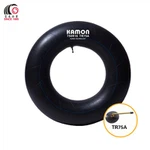
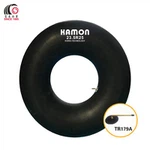
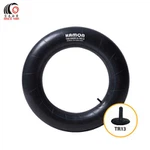
Tire Inner Tube

One-Stop Tube & Flap & Tyre Factory In China
Established in 1995, the corporation is specialized in the production of all kinds inner tubes and tyres for car, motorcycle together with high-intensity flaps. With a full set of international advanced production lines, testing equipment and technology. Our products enjoy great reputation for the stable quality and reasonable price. We have exported goods to Middle East, Africa, Americas, Europe and Southeast Asia etc. over 130 countries around the world.
Why choose us
Extensive Product Range & Customization
We offer a full line of inner tubes for OTR, agriculture, trucks, cars, motorcycles, bicycles, and more. We also support custom packaging and printing to align with your brand, making us your one-stop source for all inner tube needs.
In-House Lab & Uncompromising Quality
Our in-house testing lab runs daily quality checks on every batch, ensuring stable performance, air retention, and durability. With 30+ years of expertise, we deliver consistent, reliable inner tubes you can trust.
24/7 Responsive After-Sales Support
Our support team is available 24/7 to resolve issues, answer questions, and handle requests quickly. We prioritize minimal downtime, so you can count on us whenever you need help.
Global Supply & Competitive Value
As a direct factory, we offer stable quality at reasonable prices, exporting to markets worldwide. Advanced production lines and efficient processes let you get premium inner tubes with a competitive edge.
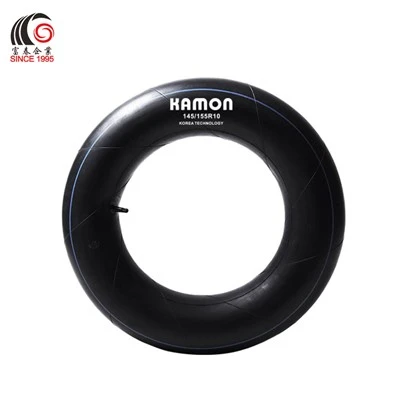
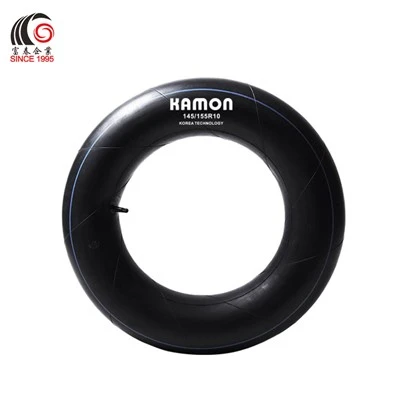
What is Tire Inner Tube




Benefits Of Tire Inner Tube
High-Quality Raw Materials
Our inner tubes are made with imported Russian 1675N raw rubber. The tensile strength reaches over 9 MPa (national standard) and up to 8 MPa (standard grade), ensuring excellent elasticity, durability, and longer service life under heavy loads.
Excellent Puncture & Pinch Resistance
Advanced rubber compounds with higher raw rubber content and optimized curing processes, combined with a thickened tube wall and reinforced stress areas around the valve and circumference, provide strong resistance to punctures, cuts, and pinch damage.
Stable Performance in Extreme Temperatures
Inner tubes maintain excellent elasticity and airtightness within the extreme temperature range of -40°C to 120°C. They resist hardening and cracking in low temperatures and prevent softening and air leakage in high temperatures, ensuring reliable performance in both cold and hot environments.
Stable and Reliable Quality
Strict quality control and batch inspections are conducted on raw materials, mixed rubber compounds, and finished inner tubes. Each batch undergoes tensile strength, thickness, weight, and airtightness testing to ensure consistent performance, reliable air retention, and stable durability.
Inner tube type
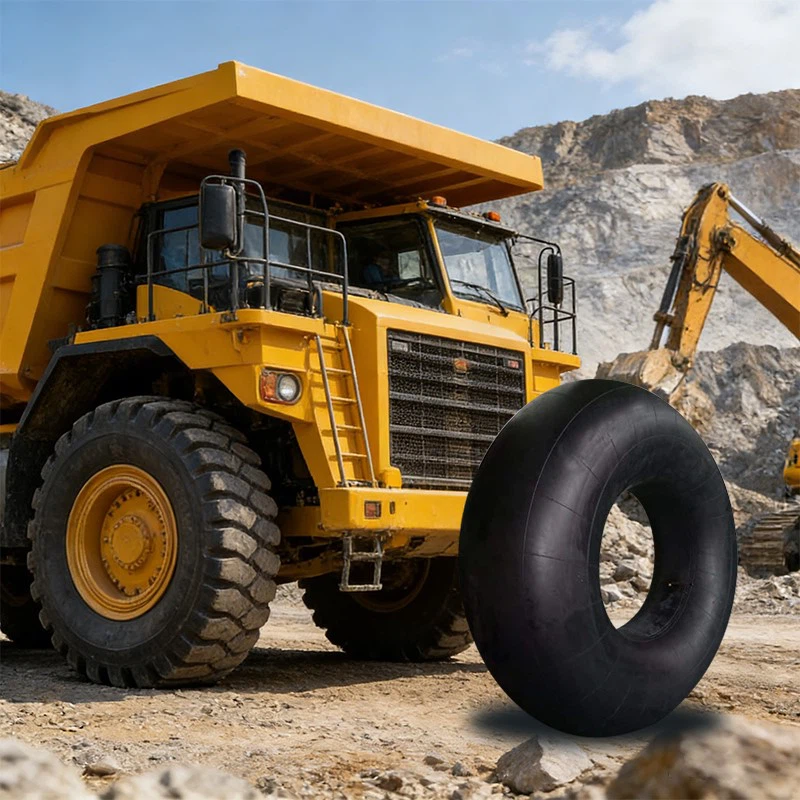
OTR TUBE
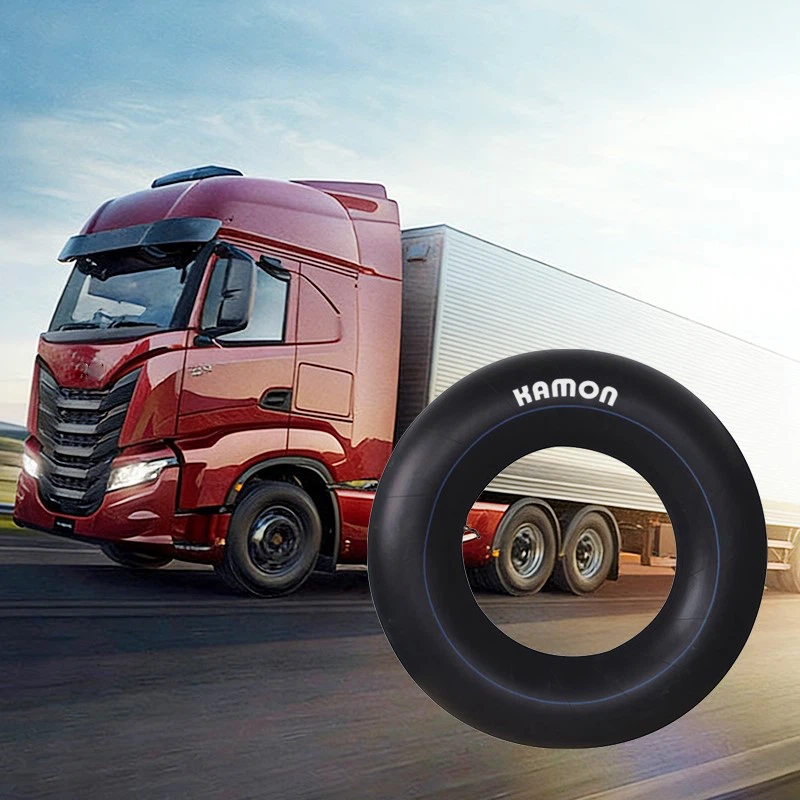
TBR TUBE
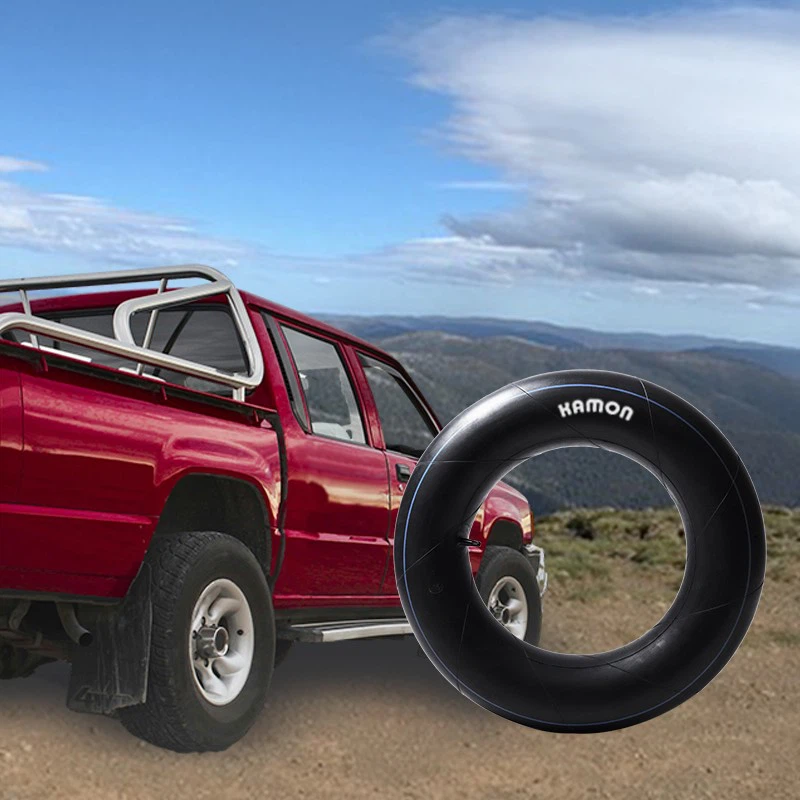
PCR TUBE

AGR TUBE

MOTORCYCLE TUBE

BICYCLE TUBE
Material Of Tire Inner Tube
From a buyer’s perspective, selecting the right inner tube material is important because it affects performance, durability, and maintenance. As a manufacturer, we can supply two main types of inner tubes: natural rubber inner tubes and butyl rubber inner tubes, allowing customers to choose the material that best fits their application and market needs.
Natural Rubber Inner Tubes
Natural rubber inner tubes are made from natural latex and are known for their excellent elasticity and flexibility. This material provides good shock absorption and relatively low rolling resistance, which helps improve comfort and performance. However, natural rubber generally has lower air retention, so the tubes may require more frequent inflation and can be more sensitive to heat and aging.
Butyl Rubber Inner Tubes
Butyl rubber inner tubes are produced from synthetic rubber and are widely used in the tire industry. Their main advantage is excellent air tightness, allowing them to maintain air pressure for a longer time with minimal leakage. Butyl rubber is also more resistant to heat, ozone, and chemicals, making it highly durable for trucks, motorcycles, and other heavy-duty applications. However, the production cost is relatively high.
The Components of a Tire Inner Tube
The main components of a tire inner tube are:
01
Rubber
Inner tubes are typically made from butyl rubber or latex, which is a cross-linked or vulcanized rubber that's heat stable and has good physical properties. Butyl rubber is the most common material because it's affordable and easy to repair. Latex is lighter than butyl rubber, but it's more fragile and leaks air more quickly.
02
Valve
The valve is bonded to the tube during the vulcanizing process. There are different types of valves that vary in shape, length, and diameter.
03
Size
The inner tube should match the tire's size and width. If the tube is too narrow, it will be more likely to puncture. If it's too wide, it may not fit properly inside the tire.

Avoid This Big Mistake When Installing a Tire Inner Tube
Use tubes that are a smaller width than your tires (at least 1 size down). The reason for this is that you want the tube to fully fit inside the tire and never stick out or bunch up inside it. You might not be able to tell in the photo, but the tube shown is ultra skinny—about 19mm in diameter. That’s the size I use for 25c tires.
Always inflate the tube BEFORE putting it in the tire. Don’t get ahead of me now… only inflate it enough to remove any wrinkles from the tube and round it into shape. For us aerobic animals, an easy way to do this is to open the tip of the valve and blow the tube up with our lips. You’re much less likely to overinflate it this way than by using a pump, but you can use one if needed. Just don’t inflate it past its resting width. The tube in the photo is aired just right.
Always close or tighten the Presta valve tip after you’ve aired and rounded out the tube. This ensures that the open valve tip doesn’t get hit and let air out while you are installing the tube. Since there’s so little air in the tube, it can be a bit challenging to close the valve without losing air. The trick is to pull up on the tip as you tighten it. That seals the valve and prevents any air loss.
When mounting the tire, make sure that the tube is fully inside the tire all the way around and that it stays there. This applies to the base of the valve as well. The cylindrical section of the valve should protrude, of course, but the part of the valve joined with the tube needs to be inside the tire.
Key Points to Extend the Service Life of Our Inner Tubes
Strict Size Matching: Always use inner tubes that match the exact size of your tire (e.g., a 700×23c tire requires a 700×18–23c inner tube). Never install an oversized or undersized tube: An overly large tube will be overstretched, weakening its rubber strength; an undersized tube will fold inside the tire, leading to "snakebite" punctures during riding.
Standard Installation Techniques: Clean the rim and tire interior thoroughly before installation to remove burrs, gravel, and old glue residue that could puncture the tube.Use your hands or plastic tire levers for installation. Never use metal levers directly on the inner tube, as they can cause instant cuts.Gently adjust the inner tube before inflating to ensure it lies evenly inside the tire, free of folds or twists.
Inspect Rims & Spokes: Ensure the rim tape is intact and fully covers the spoke holes, preventing sharp spoke nipples or rim edges from wearing through the inner tube.
Precise Pressure Control: Inflate to the pressure range specified on the tire sidewall (typically 80–110 psi for road bikes, 30–50 psi for mountain bikes).Avoid overinflation or underinflation
Regular Pressure Calibration: Inner tubes naturally lose air slowly. Check pressure every 1–2 weeks and recalibrate before long rides. Never rely on feel; use a pressure gauge-equipped pump for accuracy.
Avoid Temperature Extremes: Do not deflate or rapidly cool the tube immediately after summer riding, as thermal expansion and contraction create sudden stress. In winter, slightly increase pressure to compensate for cold-induced pressure loss.
Remove Embedded Debris Promptly:After each ride, inspect the tire surface and use tweezers or tools to remove embedded gravel, glass shards, or metal wires. These seemingly harmless objects can slowly pierce the inner tube, causing slow leaks or sudden blowouts.
Avoid Hazardous Conditions & Areas: Steer clear of sharp objects (broken glass, nails, loose gravel), potholes, and curb edges.
Do not leave your bike in direct sunlight for extended periods or near heat sources (e.g., car exhausts), as high temperatures accelerate rubber aging and brittleness.
Keep the tube away from oil, gasoline, solvents, and other chemicals, as they corrode the rubber, causing cracking and loss of elasticity.
Proper Storage & Handling: Store unused inner tubes in a cool, dry, dark place, away from ozone sources (e.g., high-voltage motors) to prevent rubber aging.
When carrying a spare tube, wrap it in a cloth or its original packaging, rather than tossing it loose in a tool bag, to avoid scratches from keys or tools.
Monitor for Signs of Aging: Replace the inner tube promptly when it shows surface cracking, reduced elasticity, or frequent slow leaks. Do not wait for a complete blowout, as this poses a safety hazard during riding.

Our Services
Pre-Sales
Samples & Customization (custom specifications, weight, packaging, valve nozzles, printing, tension, etc.)
Payment Terms
Certificates
In-Sales
Quality Control
Packaging & Transportation
After-Sales
One-year warranty, always online
FAQ
As one of the most professional tire inner tube manufacturers and suppliers in China, we're featured by good service and competitive price. Please rest assured to wholesale high quality tire inner tube for sale here from our factory. ergonomic design of tire inner tube, practical design of tire inner tube, user-friendly design of tire inner tube