


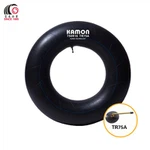
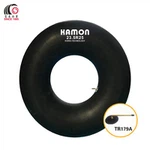
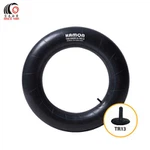
Tubing
HANGZHOU FUYANG FUCHUN TYRE CO.,LTD.: Your Professional Tubings Supplier!
The factory was founded in 1995 and specializes in the production of various types of engineering vehicle, automobile, motorcycle inner tubes and rubber flaps. Since its launch on the market, its products have been exported to more than 100 countries including the Middle East, Africa, America, Europe, and Southeast Asia.
Wide Range of Products
Our main products include truck tubes, car tubes, OTR tubes, bicycle tubes, motorcycle tube, tire flap, snow tubing and repair patch. Our products are exported to more than 100 countries around the world and are favored by domestic and foreign customers.
Professional Team
The company currently has 500 employees, including 8 senior engineers and more than 100 senior professional and technical personnel. It is a large-scale enterprise integrating modern R&D, production, sales and service.
Complete Qualification
The company has passed ISO900A; 2015 certification and has a modern and scientific management system to provide customers with high-quality products and responsible services.
Leading Service
We have many years of industry experience and a complete production management, quality supervision and sales service operation system. If you want to buy our products, just send your needs by email and we can respond to you as soon as possible.
Brief Introduction to Tubings
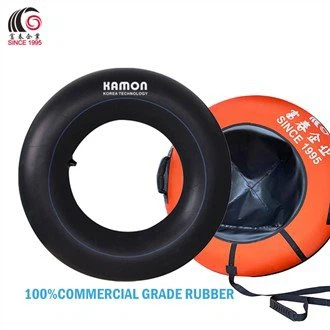
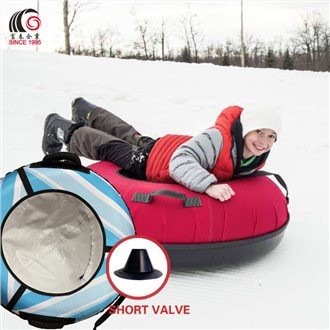
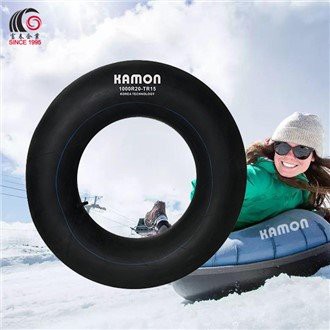
Tubings are an inflatable ring-shaped ski equipment, usually made of durable plastic or PVC material, with good wear resistance and cold resistance. Their design allows skiers to slide easily on the snow, experience speed and passion, while ensuring safety.




Features of Tubings
High Safety
The ring design of Tubings provides good support and stability, which helps reduce the risk of skiers falling and getting injured during the slide. Compared with other ski equipment, Tubings are generally easier to control, allowing skiers to enjoy the fun of sliding more safely.
Easy To Learn
Tubings are a very friendly ski equipment for beginners. They do not require complicated skills or long training to get started, allowing skiers to quickly experience the fun of skiing. This easy-to-learn feature has also promoted the popularity and development of skiing.
Suitable For All Ages And Skill Levels
Tubings are not only suitable for children, but also for adults and the elderly. No matter what your skiing skills are, you can find a sliding method and fun that suits you. This makes Tubings a snow entertainment activity that the whole family can participate in.
Portability And Easy Storage
Tubings are large in size when inflated, but can be easily folded into a smaller volume when deflated, making them easy to carry and store. This portability makes Snow Tubes an ideal choice for outdoor activities and travel.
Materials of Tubings
PVC (Polyvinyl Chloride)
PVC is a widely used plastic material that has become one of the preferred materials for the manufacture of Tubings due to its good wear resistance, cold resistance and easy processing. Tubings made of PVC material have a long service life and can maintain good performance under various snow quality and temperature conditions.
Nylon
Nylon is a synthetic fiber with high strength, wear resistance and tear resistance. In the manufacture of Tubings, nylon is often used as a covering material or reinforcement layer to increase the durability and safety of Tubings.
Rubber
Rubber materials are also commonly used in the manufacture of Tubings, especially those products that require higher wear resistance and elasticity. Rubber materials can provide good grip and sliding performance, making skiers more stable and safe on the snow.
Polyester Fiber
Polyester fiber is a synthetic fiber with excellent wear resistance, wrinkle resistance and shape retention. In the manufacture of Tubings, polyester fiber may be used as a reinforcement material or combined with other materials to improve the overall performance of the product.
How To Choose Tubings?
Environment And Purpose Of Use
Understand what type of snow you will use the tubings on, whether it is a machine-groomed snow track, wild snow or snow park. Different types of snow have different requirements for snow tubes. Make it clear whether you are using it for leisure and entertainment, parent-child interaction or professional ski training. This will affect your choice of performance, size and material of the tubings.
Material And Durability
Tubings are usually made of materials such as PVC, nylon, and rubber. PVC is widely used because of its good wear resistance, cold resistance and easy processing. Nylon has high strength and tear resistance. Rubber materials provide excellent elasticity and grip. Consider the durability of tubings and choose products that can withstand long-term use and different weather conditions.
Size And Weight
Choose the appropriate size of tubings according to the height, weight and age of the user. Generally speaking, adults and children need different sizes of tubings to ensure safety and comfort. Lightweight tubings are easy to carry and store, but also make sure it has enough weight to maintain stability and safety.
Safety
Choose tubings with anti-slip design to ensure that you will not lose control due to slipping during the sliding process. Consider whether there are designs such as seat belts or handrails to increase the user's sense of security and prevent accidents.
Comfort
Consider whether the seat of the tubing is comfortable and whether there is enough support and cushioning to reduce vibration and discomfort during the sliding process. If used in a cold environment, choosing tubings with warmth retention will enhance the user experience.
Check Air Tightness
For tubings with inner tubes, the air tightness should be checked regularly to ensure that there is no air leakage. If air leakage is found, the inner tube should be repaired or replaced in time.
Correct Storage
When storing tubings, they should be placed in a dry, ventilated, and light-proof place to avoid long-term exposure to moisture, high temperature or direct sunlight. At the same time, tubings should not be stacked or pressed heavily to prevent deformation or damage.
Inflate Regularly
For tubings that need to be inflated, the air pressure should be checked regularly during storage and inflated appropriately as needed. But be careful not to over-inflate to avoid damaging the tubings.
Use Protective Covers
Consider equipping snow tubes with special protective covers or bags to reduce wear and damage during storage and transportation.
How To Maintain Tubings?
Remove Stains
After each use, the surface stains of tubings should be cleaned in time, such as mud, snow water, grease, etc. You can use mild detergent and soft cloth to wipe, avoid using highly corrosive detergents.
Drying Treatment
After cleaning, tubings should be placed in a ventilated and dry place to dry naturally, avoid direct sunlight or high temperature baking to prevent material aging.
Check Wear And Tear
Regularly check the bottom, edges and connection parts of tubings for wear or damage. If severe wear or damage is found, they should be repaired or replaced in time.
Application Of Tubings
Family Entertainment
Tubings are an ideal choice for family winter outdoor activities. Family members can go to the ski resort or snow park together and enjoy the fun of tubings. This activity not only enhances the interaction between family members, but also promotes the development of parent-child relationships.
Friends Gathering
Tubings are also a fun choice for friends gathering. Sliding on the snow, sharing laughter and excitement, can deepen the friendship and feelings between friends.
Professional Competitions
Although tubings are mainly used for leisure and entertainment, they are also seen in some professional winter sports events. For example, some tubing competitions or snow challenges will use tubings for speed and skill competitions.
Training Aids
For ski athletes, tubings can also be used as training aids. In the initial stage, athletes can use tubings to get familiar with the sliding feeling of the snow, improve their balance and control of the skis.
Winter Tourism Activities
Many ski resorts provide tubings as rental items for tourists to use. This not only enriches the entertainment items of the ski resort, but also increases the satisfaction and return rate of tourists. Tubings are also an indispensable part of ice and snow tourism projects. Visitors can experience the fun of tubings in specific snow tube areas or snow parks and feel the unique charm of the ice and snow world.
Frequently Asked Questions
Q: Who are tubings suitable for?
Family entertainment: Family entertainment focuses on safety and fun, and tubings meet these two requirements. Both adults and children can enjoy the fun of skiing or snow sliding on tubings. Especially for children, tubings provide a safe and fun way to entertain in the snow.
Snow tourism enthusiasts: Snow tourism enthusiasts like to explore various snow activities and pursue novelty and excitement. As a unique snow entertainment equipment, tubings provide snow tourism enthusiasts with a new way to experience. They can slide and play on the snow and feel the charm of the snow.
Ski racers: Ski racers have high requirements for the performance and stability of ski equipment. Although tubings may not be mainstream equipment in professional skiing competitions, they can provide stable sliding support for athletes in some specific competitions or training, helping them improve their performance.
Q: What types of tubings are there?
Q: What materials are tubings usually made of?
Nylon: Nylon is a synthetic polymer that has high strength, abrasion resistance, and good impact resistance. Nylon may be used to make reinforcements or specific parts of tubings to improve overall durability and safety.
Polyethylene: Polyethylene is a lightweight, durable plastic material with good impact resistance and low temperature resistance. In tubing manufacturing, polyethylene is often used to make the bottom and sides because it can resist the wear and tear of snow and low temperature environments.
Polyurethane: Polyurethane is a material with excellent elasticity, abrasion resistance, and low temperature resistance. Polyurethane may be used to make the inner lining or coating of tubings to improve their comfort and durability.
Q: How are tubings inflated?
Q: What safety measures are required when using tubings?
Q: How to maintain and care for tubings?
Check for wear: Regularly check the wear of the tubing surface, especially the part in contact with the ground. If there is obvious wear or damage, replace the new tubing in time.
Clean the surface: Use clean water or mild detergent to clean the stains and snow water on the surface of the tubing. Avoid using too strong detergent to avoid damaging the material of the tubing.
Drying treatment: After cleaning, place the tubing in a ventilated and dry place to dry naturally. Avoid direct sunlight or high temperature baking to prevent the tubing from deforming or aging.
Choose a suitable storage environment: Store the tubing in a dry, ventilated, and cool place, avoiding direct sunlight and humid environments. This can prevent the tubing from getting damp, moldy or deformed.
Avoid pressure: When storing, make sure that the tubing is not pressed or stacked by heavy objects to avoid damage to its shape and structure.
Apply a protective agent: Apply a layer of protective agent, such as waterproof wax or protective agent, on the surface of the tubing to enhance its waterproofness and wear resistance. This helps extend the life of the tubing.
Q: Where can tubings be used?
Natural snow environment: On open snow without professional ski facilities, tubings can also be used for sliding as long as conditions permit and it is safe. This activity is usually more free and casual, suitable for families and friends to do together. In addition, during snow adventures or hiking, tubings can be used as an interesting means of transportation or entertainment to increase the fun and challenge of the activity.
Q: How are tubings different from snowboards?
Q: How durable are tubings?
Manufacturing process: The manufacturing process also has an important impact on the durability of tubings. High-quality manufacturing processes include fine stitching, firm inflation valves, and reasonable structural design. These can ensure that tubings are not prone to leaks, cracks, and other problems during use.
Usage: Usage is also a key factor affecting the durability of tubings. Correct usage includes sliding in suitable snow environments, avoiding collisions with sharp objects, and not overloading.
Maintenance status: Regular maintenance and care can extend the service life of tubings. Snow and stains on the tubing should be cleaned in time after use, and avoid long-term exposure to sunlight or extreme temperatures. When storing, it should be placed in a dry and ventilated place, and the inflation valve and stitching should be checked regularly for damage.
Q: Do snow tubes make noise when sliding?
Destruction of the gaps and structure of the snow: There are gaps in the snow. When the tubing slides on the snow, it will destroy the gaps and the structure of the snowflakes, causing the air in them to be expelled in a very short time, thus making a cracking sound.
Friction between snow particles: During the sliding process, friction occurs between the tubing and the snow particles on the snow surface. This friction causes the redistribution and change of the snow particles, thus making noises.
Friction of ice crystals: The small ice crystals in the snow are relatively small, and the noises made by friction vibrations are relatively short and slight. When the tubing slides, the friction between the ice crystals makes noises, which are mixed with the sound of air being expelled from the gaps to form the sliding noises we hear.
Q: Can tubings be used on ice?
Q: Do tubings leak easily?
Q: Can the sliding speed of tubings be controlled?
Q: Can tubings be used in water?
Q: Are tubings suitable for all types of snow?