


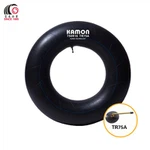
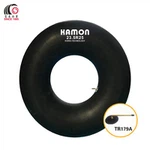
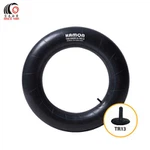
Truck Tubes
Why choose us
Our Products
We offer a wide range of tubes, including OTR tubes, agricultural tubes, forklift tubes, truck tubes, passenger car tubes, motorcycle tubes, bicycle tubes, rubber inner flaps, and snow tubing.
Product Applications
Our tubes are suitable for various types of vehicle tires and outdoor leisure activities.
Production Equipment
We utilize advanced equipment in our production process, including open mixers, rubber mixers, filters, extruders, joint machines, setting machines, air vulcanization machines, inspection lines, and packaging lines.
Production Market
Our products are well-known for their stable quality and reasonable prices. We have successfully exported our goods to the Middle East, Africa, the Americas, Europe, and Southeast Asia.
What is Truck Tubes
Truck tire tubes are reliable tools that help trucks, trailers and agricultural tires. They provide air leakage prevention, better tire motion, tread protection, and a general resistance to tires breaking down.


Advantages Of Inner Tubes For Truck
Tested by 0C: Superior Cold Weather Performance
The Inner Tubes for Truck have been tested at 0C, ensuring that they can withstand the extreme cold temperatures that can affect the performance of tires. This testing guarantees that the inner tubes will remain pliable and not crack, which can lead to air loss and reduced safety on the road.
High Rubber Content: Improved Durability and Strength
Inner Tubes for Truck have a high rubber content that provides improved durability and strength. The high rubber content also helps to reduce the risk of punctures and blowouts, which can lead to costly downtime and safety concerns.
Thicker Sidewall: Enhanced Puncture Resistance
Inner Tubes for Truck have a thicker sidewall that can provide enhanced puncture resistance. The thicker sidewall can help to reduce the risk of punctures and blowouts, especially in rough and rugged terrain, which can be prevalent in industries such as agriculture and construction.
Resistant Material: Protection Against Corrosion
The materials used in Inner Tubes for Truck are resistant to corrosion, which can occur due to exposure to moisture, chemicals, and other environmental factors. This protection against corrosion can help to extend the lifespan of the inner tube, providing a cost-effective solution for truck owners.
Process of Truck Tubes
The process of working with truck tubes involves several steps, including:
Removing the Old Tube
Remove the wheel, release air from the valve stem, and use a tool to loosen the bead from the wheel. Then, pry the bead from the rim and remove the tube and valve stem.
Pre-Inflating the New Tube
Stretch the tube to match the tire size and lubricate it with baby powder or talc.
Installing the New Tube
Insert the tube around the wheel, inflate it slightly, and stretch the bead back over the rim. Slowly inflate the tube, checking that both beads are positioned correctly.
Inflating the Tire
After mounting the tire, inflate it to about 5 psi to seat the beads. Then, inflate the tire to 20 psi using a restraining device.
Checking for Irregularities
Look for distortions, undulations, or other irregularities in the tire sidewall. Also, listen for any popping or snapping sounds. If you notice any of these issues, stop and do not approach the tire.
Deflating the Tire
Before removing the tire from the restraining device, completely deflate it remotely.
The Importance of an Inner Tube for Your Truck
Trucks and vans with big wheels often require tubes to maintain the integrity of their treads. These rubber tubes reportedly help improve tire performance, reduce squeaks, and avoid tire failure. Aside from their ability to keep your vehicle in tip-top shape, there are many benefits to having tubes on hand. You can easily find a range of tubes for your truck at an outfitter's stall.
The most obvious reason to use an inner tube is its capacity to hold air. However, the main benefit is that it prevents leaks and enhances the performance of your tire. Moreover, the correct tube can prolong the life of your tire. There are some downsides to using these tubes, so you should be cautious when restocking your supply.
Depending on your vehicle, a truck may be able to get by with a set of four tires on a single rim. However, there are exceptions to this rule. For example, an SUV might only need a set of two. Additionally, a truck's wheels tend to have more contact with the road than those of a passenger car. If you decide to change tire sizes, make sure to choose a tube with the appropriate amount of air.
Some trucks even rely on their own version of the tube to keep their ride on track. In fact, some more futuristic designs feature a fully integrated tire that can only be replaced when necessary. Other innovations, like a dual valve system and airbags, have helped revolutionize the industry. While these might seem complicated, the good news is that these technologies have made the driving experience more pleasant. It is therefore not surprising that many people choose to travel by motorized vehicle.
Whether you're in the market for a new set of wheels or just looking for a better way to enjoy the ride, the inner tube is a must. They are also crucial to the tire-change process, which is why you'll see a variety of them at your local outfitter. However, you may need to do some searching to find a reputable outfitter, especially if you have a specific application in mind.
A truck is a great vehicle to ride in, but a poorly maintained tire can make the experience less enjoyable. Luckily, you can keep your truck on the road for a long time by investing in a high-quality tube. Keeping your tubes clean and free from rust will extend the life of your tires and increase the safety of your loved ones. Using a decent tube will also help you avoid the cost of changing out your rims. Lastly, the small and compact design makes it easy to fit into the trunk of your car.
Currently, there are two popular types of tires on the market: wheel hubs and wheel hubs.
Wheel tube
Used for car vehicles with rims, consisting of two different pieces of gutter, fitted to the tire and the foot of the wheel. Wheels help the car to withstand large loads and increase the durability of the tires.
Tire inner tube
Used for vehicles with solid tires, and installed inside the tire. The tire tread helps the tire to hold pressure and has better durability, especially when used on rough terrain.

Process of Truck Tubes
The process of working with truck tubes involves several steps, including:
Removing the old tube
Remove the wheel, release air from the valve stem, and use a tool to loosen the bead from the wheel. Then, pry the bead from the rim and remove the tube and valve stem.
Pre-inflating the new tube
Stretch the tube to match the tire size and lubricate it with baby powder or talc.
Installing the new tube
Insert the tube around the wheel, inflate it slightly, and stretch the bead back over the rim. Slowly inflate the tube, checking that both beads are positioned correctly.
Inflating the tire
After mounting the tire, inflate it to about 5 psi to seat the beads. Then, inflate the tire to 20 psi using a clip-on air chuck and a restraining device.
Checking for irregularities
Look for any distortions, undulations, or other irregularities in the tire sidewall. Listen for any popping or snapping sounds. If any of these conditions are present, stop and do not approach the tire.
Deflating and removing
Completely deflate the tire remotely before removing it from the restraining device.
6 Maintenance Tips to Keep Your Truck Tubes in Prime Condition
As a truck driver or fleet manager, it’s important to ensure your Truck Tubes are always in good condition. Proper maintenance helps prevent flats and blowouts on the road, which present major safety hazards. It can also affect fuel economy and increase the lifespan of other truck systems, such as the brakes and suspension.
Regularly Rotate the Truck Tubes
Truck Tubes, like any other vehicle tires, should be rotated every 6,000–8,000 miles to distribute tread wear evenly and help them last longer. In commercial trucks, the rear Truck Tubes usually wear out faster than those in the front.
Get the Wheels Aligned
Wheel alignment is another major factor in tire health. If the wheels are out of alignment, they will wear out unevenly and usually much faster than they would if they were properly aligned. You can often feel when a truck’s wheels are misaligned if the steering wheel is off-center, if the vehicle pulls to one side, or if you notice excessive vibration while driving on a straight highway.
Keep the Tire Pressure Consistent
Regularly check the pressure in each tire to ensure they are inflated to the recommended air pressure. This helps them last longer and also improves fuel economy during those long hauls.
Keep the Wheels and Truck Tubes Clean
Not only does it look nice when the wheels and Truck Tubes are clean, but it is also beneficial for their health. Wash away road salt, grease, and grime to extend the life of your Truck Tubes.
Practice Smart Driving Habits
One of the biggest factors in poor tire performance is the driver’s habits. Accelerating too quickly, driving over the speed limit, or braking abruptly can wear out the Truck Tubes more quickly than if you drive smartly and safely.
Always Perform Pre-Trip Inspections
This should be done before every trip. A pre-trip inspection of key systems for road readiness should always include the Truck Tubes. Check the tire pressure, examine tread wear, and be prepared to address any issues before you hit the highway to minimize damage.
How to Choose the Right Truck Tubes
Inner tubes are known for their flexibility and usually fit different tire sizes. However, you need to determine the accurate size to get the right tube for your tire. If you don’t know much about tires, you can shop by application. Determine whether you need a tube for your motorcycle, car, van, truck, crane, lawn mower, or bus. The application will help you find the tube size you require.
Just because they are tubes doesn’t mean all of them are equally durable. Their quality varies from one manufacturer to another in terms of the compounds used to create them. It is essential to ensure that you are only buying tire inner tubes in Australia from a trusted supplier. Poor-quality tubes have a shorter lifespan than high-quality tubes.
There are multiple factors that differentiate various types of valves, including shape and size. Some of the most common types include bent valves, straight valves, and air/water valves. Each type has a different shape. You can choose a valve based on the tube’s application. For example, tubes for truck tires often feature bent valves, while most tractor tire tubes have straight valves.
It is easy to purchase the right inner tube for your tire since most manufacturers produce tubes for different tire sizes. You can find the best product for your needs by identifying the type of tube you require.
Our Factory
With the professional technology in the field of rubber products,we possess five strong enterprises:Hangzhou Fuyang Fuchun Tyre Co.,Ltd 、Chuncheng Holding (hk) enterprise Limited 、Zhejiang Chuncheng Shoes Co.,Ltd 、Fuyang Fumei Decoration Co.,Ltd 、 Hangzhou Haoshi Rubber Products Co.,Ltd .


FAQ